Postpartum Weight Loss: Real Experiences from Real Moms
Disclaimer: This post may contain affiliate links. If you use them, we may earn a commission at no extra cost to you. Please see our disclaimer page for more information.
The following article is based on comments retrieved from social media, where real mothers shared their personal postpartum weight loss experiences. All insights are drawn directly from their stories.
Key Takeaways
- Remain patient. Most women do not see meaningful weight loss until six to nine months after giving birth.
- Walking daily and calorie tracking are the two most consistently effective strategies for postpartum weight loss.
- Breastfeeding affects weight loss differently for every woman. Some lose faster while nursing, others only after weaning.
- If diet and exercise are not working, get hormones and ferritin levels checked. Undiagnosed hormonal imbalances are a common and overlooked barrier. At-home hormone trackers can help you in this regard.
Patience is Fundamental
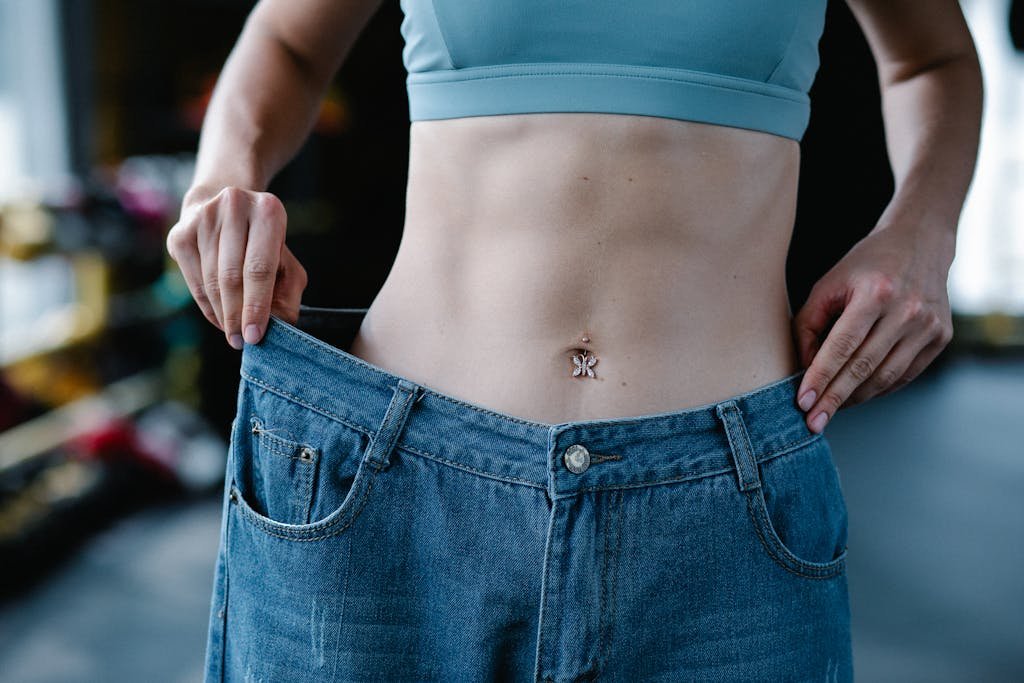
Meaningful weight loss does not begin until six to nine months after giving birth for most women, and the last few pounds are often the slowest to move. Bodies change significantly with time alone, even without major effort.
The emotional side matters just as much as the physical. Wearing ill-fitting clothes takes a quiet but consistent toll on self-image. Investing in a few comfortable, well-fitting postpartum outfits is a small act of self-care that makes a real difference in how you feel day to day.
Breastfeeding and Weight Loss.
Breastfeeding affects every woman differently. Some lose weight rapidly while nursing due to the calorie demands of milk production. Others hold onto extra fat until after weaning, the body protecting its ability to nourish the baby. Nighttime nursing sessions can also trigger increased appetite and snacking that offsets the calorie burn. If still breastfeeding, supporting milk supply should take priority over aggressive calorie restriction. A gentle deficit that accounts for the extra calories needed for nursing is a safer and more sustainable approach.
What Actually Works?
Walking is the most accessible strategy. A commonly recommended strategy is one to three miles daily, aiming for 8,000 to 10,000 steps. It is low impact, joint-friendly, and easy to fit into a new mom’s routine. Babywearing during walks makes it even more manageable with a newborn.
Calorie tracking brings consistency and accountability. Apps like MYFITNESSPAL, LOSEIT, NOOM, and MACROFACTOR help remove the guesswork and make progress visible even when the scale moves slowly.
High protein, lower carb eating accelerates results for many women. Reducing processed foods and focusing on lean proteins, vegetables, and whole foods makes a noticeable difference. Cutting carbs to under 50 grams daily is one approach that produces results.
Pilates stands out as particularly well suited to the postpartum period. It is slow enough for exhausted days, rebuilds core strength faster than most alternatives, and is gentle on joints still recovering from pregnancy hormones. YouTube channels PREGNANCY AND POSTPARTUM TV and KALEIGH COHEN STRENGTH offer guided postpartum workouts, and the SWEAT app provides structured home and gym programming.
When Nothing Works
Doing everything right and still not losing weight is more common postpartum than most people realize. Getting hormones checked, specifically thyroid, estrogen, and testosterone levels, is the step that unlocks results when nothing else does. Hormonal imbalances after pregnancy are frequently overlooked and can make weight loss nearly impossible regardless of diet and exercise effort.
Ferritin levels are also worth checking, as low iron is another common and under-diagnosed barrier to postpartum weight loss and energy.
Small Things that Make a Real Difference
Cutting out eating after 6pm. Prepping healthy snacks in advance so the easiest option is also the best one. Drinking water consistently throughout the day. Pelvic floor therapy exercises help with postpartum core and belly recovery and come highly recommended by OBs.
The most sustainable results come from small, consistent changes maintained over months rather than dramatic restrictions that lead to burnout.
Experiences shared are personal accounts and do not constitute medical advice. Consult a healthcare professional before beginning any postpartum exercise or diet program.