Intermittent Fasting for Women: Real Experiences from Real Women
Disclaimer: This post may contain affiliate links. If you use them, we may earn a commission at no extra cost to you. Please see our disclaimer page for more information.
The following article is based on comments retrieved from social media, where real women shared their personal experiences with intermittent fasting. All insights are drawn directly from their stories.
The Resutls
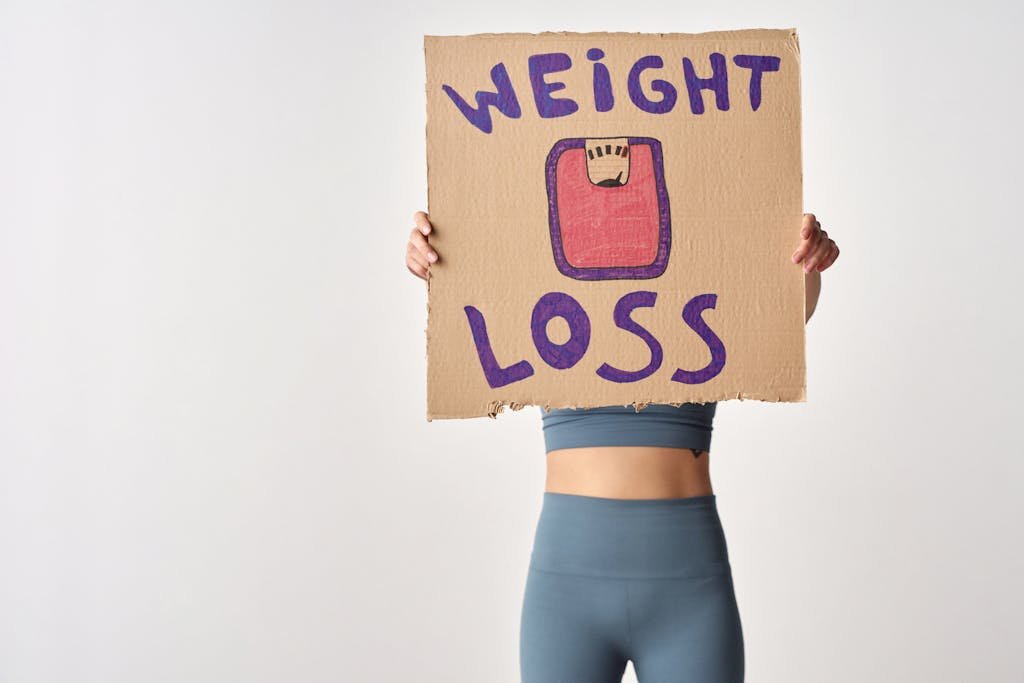
The overwhelming majority of women who shared their experiences reported positive outcomes. Weight loss was the most cited benefit, with results ranging widely. One woman lost 14 pounds in just three weeks after years of struggling with hypothyroidism. Another lost 80 pounds over three years using a combination of OMAD and clean eating. A 48-year-old woman went from 215 to 155 pounds and has maintained that loss for four years. Others reported losing 25, 35, 50, and even 65 pounds, with many describing IF as the only approach that ever worked sustainably for them.
Beyond weight loss, women consistently reported more energy, less brain fog, reduced acid reflux, better sleep, improved blood sugar levels, and a more natural relationship with hunger. One woman noted that her doctor was about to put her on Metformin for pre-diabetes. However, after starting IF, all her numbers returned to normal.
Popular Fasting Protocols
The most used protocols among the women in this discussion were 16:8 and 18:6, meaning a fasting window of 16 to 18 hours followed by an eating window of 6 to 8 hours. Some women incorporated occasional 24, 36, or even 42-hour fasts. A smaller number used gentler windows like 14:10 or 13:11, particularly during hormonal phases of their cycle or when just starting out.
Several women emphasized that flexibility was key. Social events, periods, and life in general were accommodated without guilt, and most described IF less as a diet and more as a lifestyle they had no intention of abandoning.
Hormonal Effects and Menstrual Cycles
This was the most nuanced topic in the discussion. Experiences varied considerably. Some women reported no hormonal changes whatsoever after years of fasting. Others noticed temporary irregularities in their cycle when they first started, which stabilized over time. A few women with hormonal IUDs reported unexpected bleeding patterns and attributed them to the combination of fasting and their contraceptive device.
Women with PCOS appeared frequently in the discussion, with many reporting that IF helped rather than harmed their hormonal balance. A podcast called THE FASTING METHOD, hosted by a female MD and a medical researcher, was repeatedly recommended as a trusted resource specifically for women with hormonal conditions including PCOS. One woman with PCOS shared that a dedicated episode on the condition was what finally convinced her to start fasting.
The consensus from women who consulted medical professionals was that shorter fasting windows of 16 hours or less carry minimal hormonal risk for healthy women, while extended fasts of 24 hours or more may warrant more caution, particularly for women trying to conceive or those at a lower body weight.
Useful Ressources
Several resources came up repeatedly in the discussion. THE OBESITY CODE, a book by Dr. Jason Fung, was credited by multiple women as the resource that explained the science behind fasting in a way that finally made sense. The podcast THE FASTING METHOD was recommended enthusiastically for its focus on women’s health and real clinical experience. The podcast INTERMITTENT FASTING STORIES was also mentioned as a source of motivation, featuring long-form interviews predominantly with women sharing their IF journeys.
Key Advice From Women to Women
Start slow. Multiple women recommended beginning with a gentle 14:10 window before progressing to 16:8 or beyond. Listen to your body, particularly around your menstrual cycle. Several women found that easing their fasting window during the week before their period made a significant difference in how they felt. Focus on food quality within the eating window, not just the timing. And perhaps most importantly, approach it as a long-term lifestyle rather than a short-term diet.
As one woman put it after losing 65 pounds and maintaining for years, she would never go back to eating the old way.
Experiences shared are personal accounts and do not constitute medical advice. Consult a healthcare professional before beginning any fasting protocol.