Clearing Acne for Good: What Really Works
Disclaimer: This post may contain affiliate links. If you use them, we may earn a commission at no extra cost to you. Please see our disclaimer page for more information.
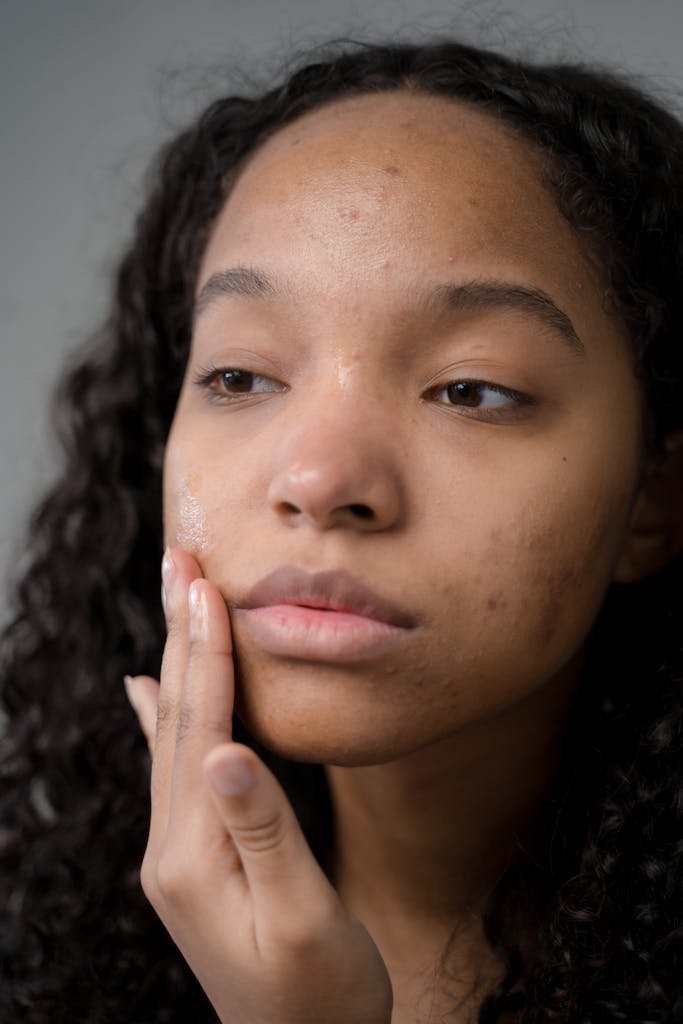
We collected social media thread comments from 455 ladies on what actually helped them clear their acne for good. The insights have been processed and synthesized to help you digest the vital information effectively. This is not theory, but real experiences lived by real women. The following is a faithful summary of those experiences, highlighting effective approaches, products, and practical strategies.
Prescriptions
Many found success with prescription treatments. Tretinoin, used 2–3 times weekly with gentle cleansers and occlusive moisturizers like Vanicream, helped reduce both acne and post-inflammatory hyperpigmentation. Consistent sunscreen, such as Bioré UV Aqua Rich Watery Essence or Trader Joe’s sunscreen, was emphasized, particularly when using retinoids. Differin (adapalene) was also beneficial when incorporated slowly, layered with moisturizers, and applied to dry skin.
Hormonal Treatments
Hormonal influences were key for many. Birth control pills cleared acne for some, though side effects such as reduced libido or worsening breakouts were noted. Spironolactone frequently appeared as a highly effective solution for persistent or cystic acne, often working within weeks, though potential side effects included dehydration, electrolyte imbalance, fatigue, and changes in menstruation. Some found careful dosage management crucial, with up to 200mg used by certain individuals.
Oral Medication for Severe Cases
For stubborn acne, isotretinoin (Accutane) was repeatedly cited as transformative. Users reported clearance within weeks, prevention of new breakouts, and long-term improvement in scars and hyperpigmentation. Side effects included dry lips, skin, headaches, joint pain, and hoarseness, but results were generally deemed worth the temporary discomfort. Accutane was sometimes combined with supportive topical treatments like azelaic acid, clindamycin, benzoyl peroxide, tretinoin, and Epiduo to maintain clear skin.
Skin Care Routines
Simplified skincare routines were consistently highlighted. Gentle, non-irritating cleansers, minimal active ingredients, occlusive moisturizers, and sunscreen formed the core of effective regimens. Over-exfoliation and multiple conflicting products were often counterproductive. Hypochlorous acid sprays, sulfur masks, and checking product ingredients to avoid pore-clogging agents also contributed to better outcomes.
Diet and Lifestyle
Diet and lifestyle adjustments complemented medical and topical treatments. Reducing sugar, dairy, inflammatory foods, caffeine, and certain protein powders, along with increasing hydration, exercise, and quality sleep, supported clearer skin. Teas like spearmint or maca powder and supplements including vitamins, zinc, or Omega-3 were noted to help hormonal acne for some. Minimizing physical irritation, avoiding picking, washing pillowcases frequently, and limiting contact with potentially dirty surfaces, was frequently recommended.
Other Solutions
Other approaches included chemical peels, pico laser treatments, hydrafacials, LED light therapy, and managing environmental factors like hard water. Psychological well-being, stress management, and patience were emphasized as integral to sustained improvement. Age and hormonal shifts naturally aided some users, while others required a combination of medical, topical, lifestyle, and dietary strategies.
Key Takeaways
Ultimately, the recurring themes are consistency, patience, and personalization. Listening to your skin, limiting unnecessary products, supporting the skin barrier, managing hormonal influences, and combining medical treatments with targeted skincare and lifestyle adjustments were central to achieving and maintaining long-term clear skin.
- Prescription medications like spironolactone, Accutane, tretinoin, and certain birth control pills are frequently effective for persistent or hormonal acne.
- Gentle, minimalistic skincare routines with moisturizers and sunscreen prevent irritation and support the skin barrier.
- Lifestyle and dietary adjustments—reducing inflammatory foods, improving hydration, managing stress, and supplementing where appropriate—enhance treatment outcomes.
- Patience, consistent routines, and individualized approaches are critical for lasting improvement.
We hope you all the best in your skin care journey. If you need any further infomation, the Fitness333 team is here to help. Reach out today!